Erik Wagner · 28 October 2026
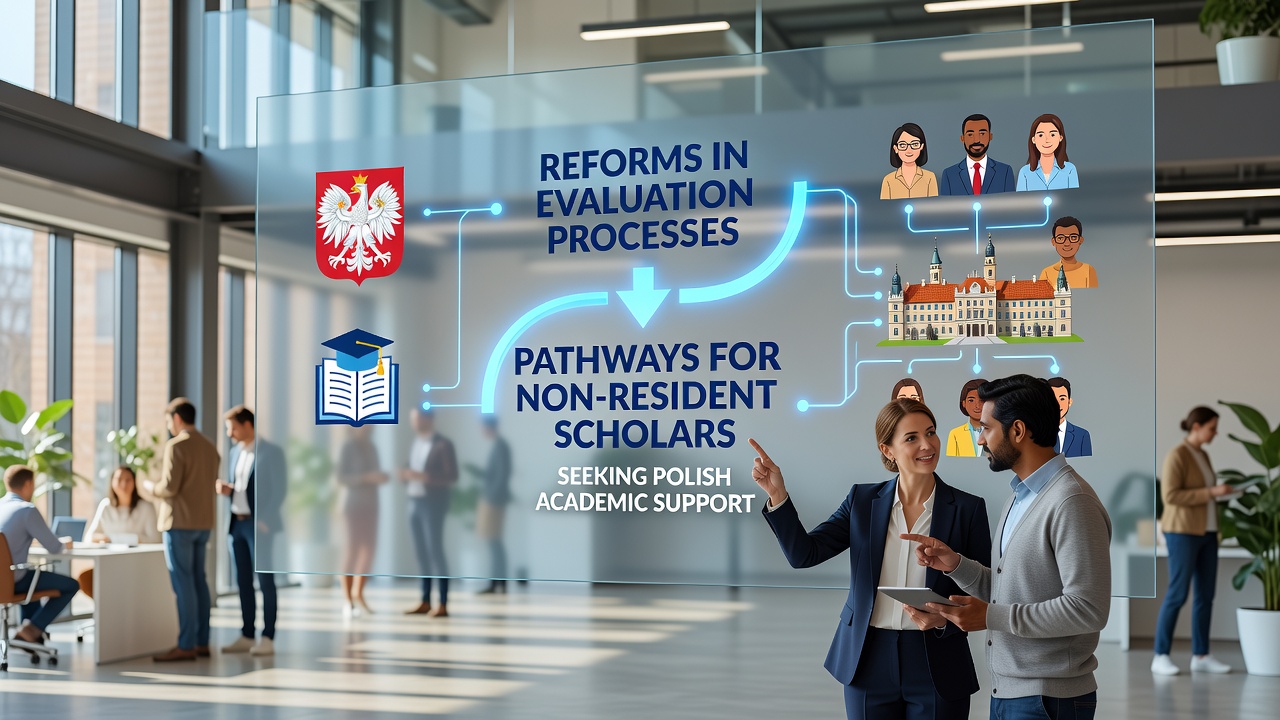
Reforms in Evaluation Processes Create Pathways for Non-Resident Scholars Seeking Polish Academic Support
Polish academic institutions have adjusted their evaluation frameworks over recent years, and these modifications now extend eligibility for support programs to scholars who reside outside the country, while data from the Ministry of Science and Higher Education shows increased application volumes from international candidates since the initial policy adjustments took effect.
Background on Polish Academic Support Systems
Poland maintains several national programs that provide funding, research facilities, and collaboration opportunities for scholars at various career stages, and observers note that these initiatives traditionally prioritized domestic applicants through evaluation metrics centered on local publication records and institutional affiliations within the country. Researchers from the Polish Academy of Sciences have documented how earlier assessment rubrics placed heavy emphasis on Polish-language outputs and national project histories, which created structural barriers for those working abroad.
Yet policy documents released by the Ministry indicate that alignment with European Union research mobility goals prompted a review of these criteria starting in 2023, and the process involved consultations with academic bodies across multiple regions to identify ways to broaden access without altering core quality standards.
Key Changes in Evaluation Criteria
Reforms introduced in 2025 shifted several components of the review process, including acceptance of English-language publications as primary evidence of scholarly impact, recognition of foreign institutional affiliations when paired with clear collaboration plans involving Polish partners, and streamlined verification steps for academic credentials earned outside the European Higher Education Area. Figures from the National Agency for Academic Exchange reveal that these adjustments reduced average processing times for non-resident applications by approximately 30 percent compared with prior cycles.
Evaluation panels now incorporate standardized rubrics that weigh international citation metrics alongside national ones, and this approach allows reviewers to consider a broader range of evidence when assessing research potential. Those who have participated in pilot reviews report that the updated system maintains rigorous thresholds while accommodating diverse career trajectories.
Pathways Opened for Non-Resident Applicants
Non-resident scholars can now submit proposals through a dedicated online portal that accepts digital copies of foreign diplomas and publication lists, and the platform provides templates for outlining how proposed work will integrate with Polish research networks. Data released in early 2026 shows that applicants from North America, East Asia, and neighboring EU member states represent the largest groups utilizing these new routes.
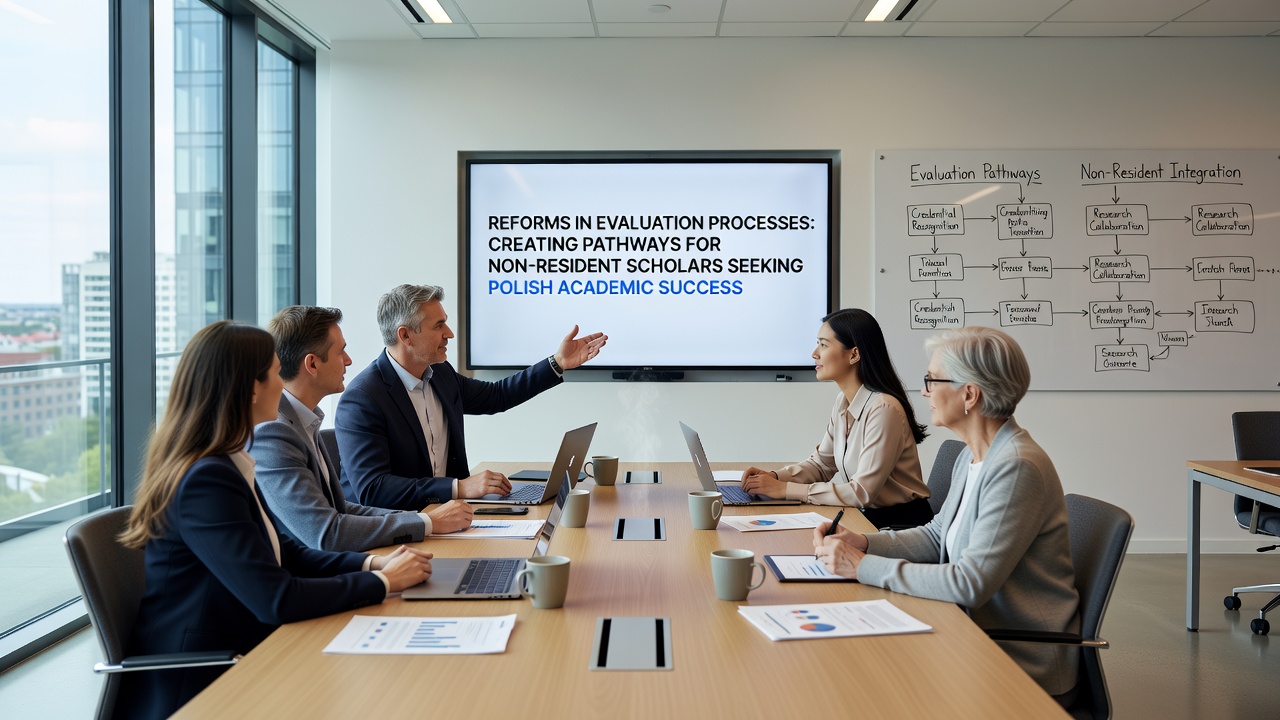
One program administrator at a major Warsaw institution described how the revised guidelines permit remote participation in certain grant activities, which has proven useful for scholars balancing commitments at their home institutions. Additional measures include optional language support services and pre-application webinars conducted in English, and attendance records indicate strong participation from prospective candidates ahead of the October 2026 submission deadline for the next funding round.
Implementation Timeline and Supporting Data
Rollout of the reformed processes began with a phased pilot in select disciplines during spring 2025, followed by full national adoption later that year, and ministry statistics indicate that over 1,200 applications from non-residents were received in the first full cycle under the new rules. Analysts at the European Commission have referenced similar mobility initiatives in neighboring countries as context for Poland's approach, noting that cross-border data sharing protocols help verify applicant credentials efficiently.
Training sessions for evaluation committee members took place throughout 2025 and 2026 to ensure consistent application of the updated criteria, and feedback collected from these sessions shows improved inter-rater reliability scores on international dossiers. The October 2026 cycle will mark the first opportunity for comprehensive outcome tracking across all funded projects involving non-resident participants.
Conclusion
These evaluation reforms have expanded the applicant pool for Polish academic support programs by incorporating international benchmarks and digital submission tools, and ongoing monitoring by the Ministry of Science and Higher Education will provide further details on participation trends and project outcomes in the years ahead.