Alex Hughes · 30 September 2026
Connecting Graduate Earnings Metrics with Enduring Rural School Assignment Gaps Across Poland
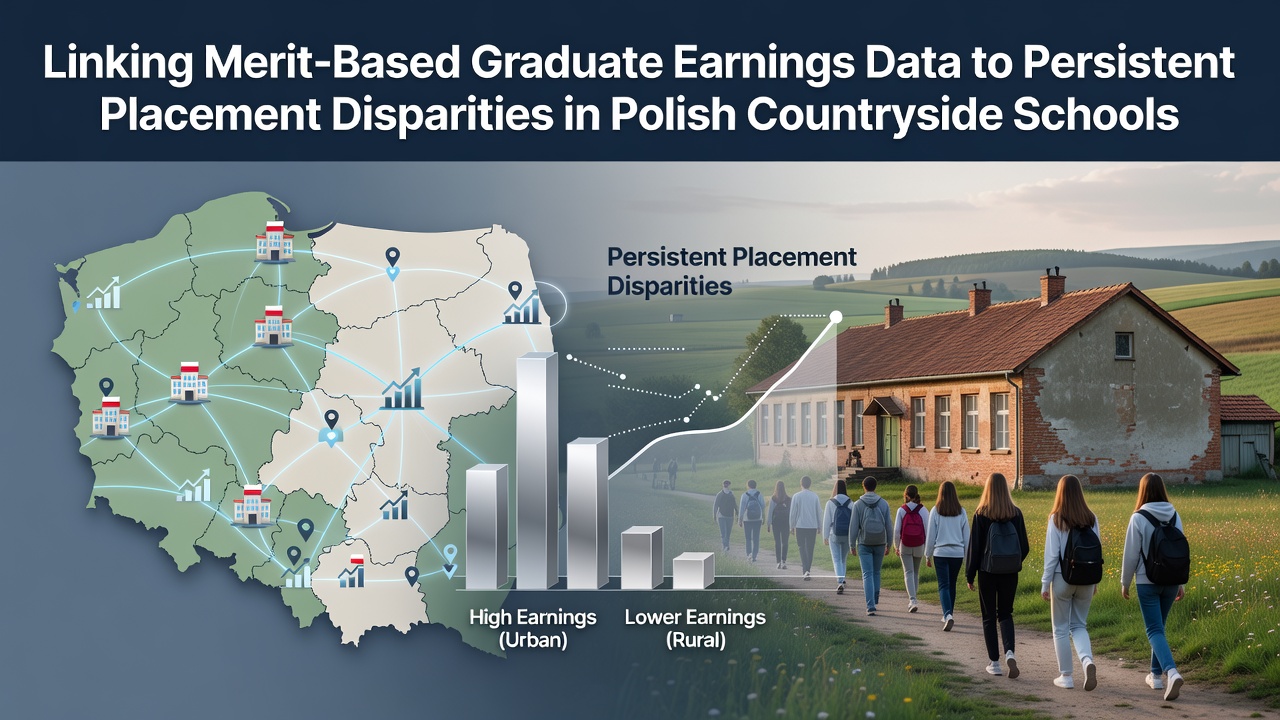
Polish education authorities track merit-based graduate earnings through national datasets that link university completion records to subsequent income levels reported via tax and employment systems, and these figures reveal consistent patterns when cross-referenced against school placement outcomes in countryside regions. Researchers at institutions monitoring education mobility note that graduates from urban merit programs often secure higher initial salaries, while placement data from rural schools shows slower integration into similar pathways despite comparable academic metrics.
Data Patterns in Earnings and Placement Records
Ministry reports compiled through 2025 indicate that average earnings for merit scholarship recipients from cities reach approximately 15 percent above those from rural counterparts within three years of graduation, and placement records from countryside schools demonstrate that fewer than 40 percent of top-performing students secure spots in specialized secondary programs located outside their immediate districts. Analysts cross-tabulate these datasets using unique student identifiers, which allows direct comparison of earnings trajectories against initial school assignments, and the process highlights how rural students frequently remain in local institutions even when merit criteria would support broader options.
Statistics Poland releases annual updates that include breakdowns by voivodeship, and observers note pronounced differences in regions such as Podlaskie and Lubelskie where rural school densities limit access to advanced tracks. In September 2026 further refinements to these reporting systems are scheduled to incorporate real-time earnings feeds from social insurance databases, which should sharpen the resolution of disparity measurements.
Regional Factors Influencing Outcomes
Transportation infrastructure and local labor market conditions interact with placement algorithms, while rural schools often operate with smaller administrative staffs that manage fewer external partnership agreements. Case examples from several gminas illustrate how students meeting merit thresholds still receive assignments weighted toward proximity, and earnings data later reflects narrower career entry points as a result. European Commission education monitoring documents similar geographic effects across multiple member states, yet Polish datasets stand out for their granularity in tying individual earnings histories back to specific school identifiers.
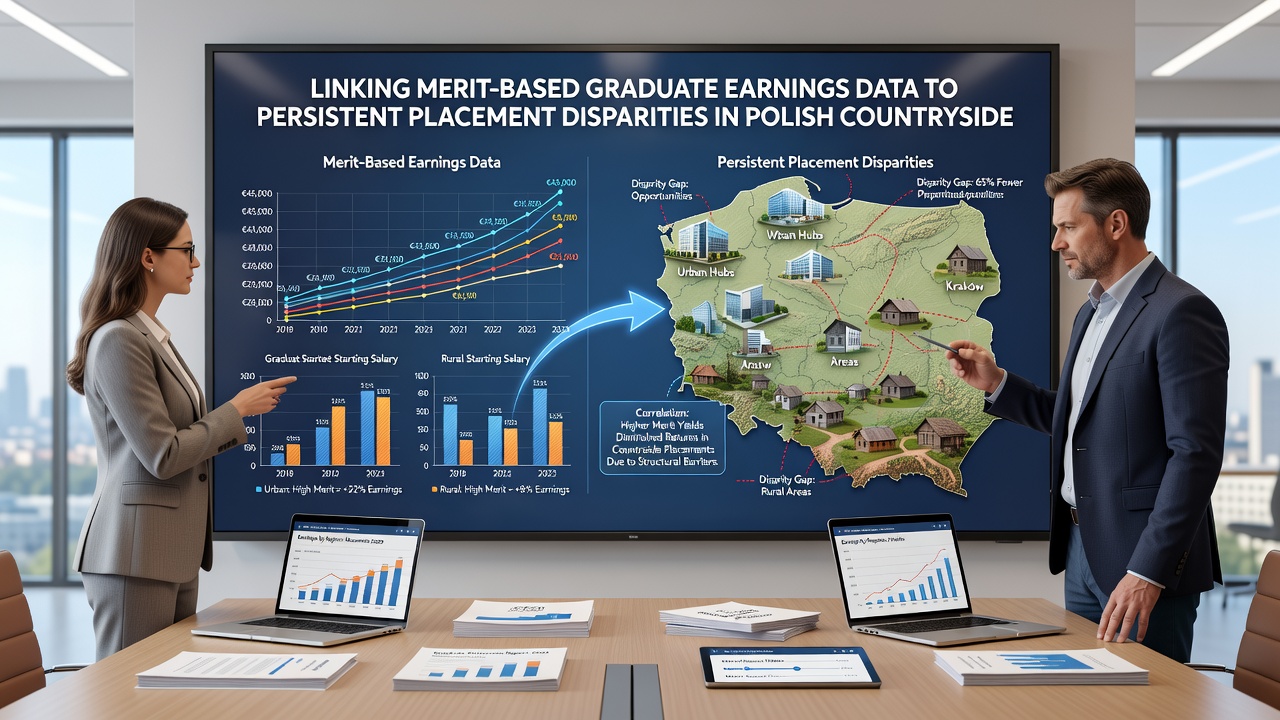
University admissions offices increasingly consult these linked records when evaluating applications, and teh approach allows them to adjust for background variables such as school location. One longitudinal study covering cohorts from 2018 onward found that rural-origin students who later relocated for employment achieved earnings parity faster than those remaining in place, although relocation rates stayed below 25 percent for the group overall.
Policy Adjustments and Reporting Enhancements
Recent regulatory updates require schools to report placement decisions alongside standardized test results, which feeds into the same merit-earnings database used by labor market analysts. Government agencies coordinate these streams through a central portal that masks personal identifiers while preserving aggregate trends, and the system supports queries that isolate countryside subsets. Observers point to parallel initiatives in Canada where provincial education ministries publish similar cross-linked indicators, demonstrating comparable rural-urban earnings spreads after accounting for field of study.
Training programs for guidance counselors now incorporate modules on interpreting these datasets, and several voivodeship offices have piloted dashboards that display placement success rates next to projected earnings bands. The combined view helps identify schools where high-merit students systematically underperform in later income metrics relative to national averages.
Conclusion
Integrated earnings and placement records continue to supply Polish policymakers with measurable indicators of geographic disparities, and ongoing system upgrades scheduled for September 2026 aim to increase the frequency and precision of these linkages. Researchers maintain that expanded access to such data supports targeted interventions without altering core merit criteria, while international comparisons from sources like the OECD education database provide context for interpreting Poland-specific patterns.